How to Prepare for a Radio Interview in 5 Steps (And Why It Matters in 2026)
In an era dominated by AI-generated content, algorithmic playlists, and digital noise, live radio interviews stand as one of the few remaining platforms that deliver authentic human connection. For independent artists seeking credibility and genuine engagement with their audience, radio interviews: particularly on stations like KFSM Radio: offer something streaming platforms and social media cannot replicate: real-time conversation, legitimacy, and the endorsement of a trusted media outlet.
The value of radio in 2026 extends beyond simple reach. Radio interviews provide artists with the opportunity to tell their story in their own voice, build trust with potential fans, and demonstrate the personality behind the music. This human element creates a lasting impression that algorithms cannot manufacture and playlists cannot deliver.

Step 1: Research Your Platform and Host
Preparation begins with understanding the environment you will enter. Before your interview on KFSM Radio or any broadcast platform, invest time in becoming familiar with the station's programming, audience demographics, and content style. Listen to multiple episodes or shows to identify the typical interview format, the host's communication style, and the topics commonly discussed.
Review past interviews conducted by your host to understand their approach. Some hosts prefer structured conversations with predetermined questions, while others favor organic, free-flowing discussions. Recognizing these patterns allows you to adapt your preparation strategy accordingly.
Additionally, follow the host and station on social media platforms. Note the type of content they share, the language they use, and the engagement they receive from their audience. This research enables you to align your messaging with the platform's brand while maintaining your authentic voice.
Understanding the station's audience is equally important. KFSM Radio caters to specific listener demographics and musical preferences. Tailor your talking points to resonate with these listeners while showcasing what makes your music and story unique.
Step 2: Master Your Origin Story
Every artist has a journey. Your origin story: the narrative of how you arrived at this moment in your career: serves as the foundation for a compelling interview. Develop a clear, concise account of your musical background that highlights pivotal moments, influences, and the evolution of your sound.
Your origin story should accomplish several objectives. It must be authentic, relatable, and memorable. Avoid rehearsed scripts that sound artificial. Instead, identify the key elements of your journey that naturally connect with listeners: early musical influences, the moment you decided to pursue music professionally, challenges you overcame, or the inspiration behind your latest project.
Prepare specific anecdotes that illustrate your artistic development. Concrete examples and personal stories create emotional resonance far more effectively than generic statements about passion or dedication. Practice articulating these stories aloud until they flow naturally in conversation.
Additionally, be prepared to discuss your latest music releases in detail. Understand the themes, production choices, and creative decisions behind your recent work. Hosts will inevitably ask about your current projects, and your ability to speak intelligently and passionately about your music demonstrates professionalism and artistic intentionality.
Develop two to three core talking points you want listeners to remember after the interview concludes. These should encapsulate your artistic identity, your current project, and what sets you apart in the music landscape.
Step 3: Execute a Thorough Technical Check
Technical difficulties undermine even the most compelling content. For call-in interviews or remote broadcasts, ensuring pristine audio quality and connection stability is non-negotiable.
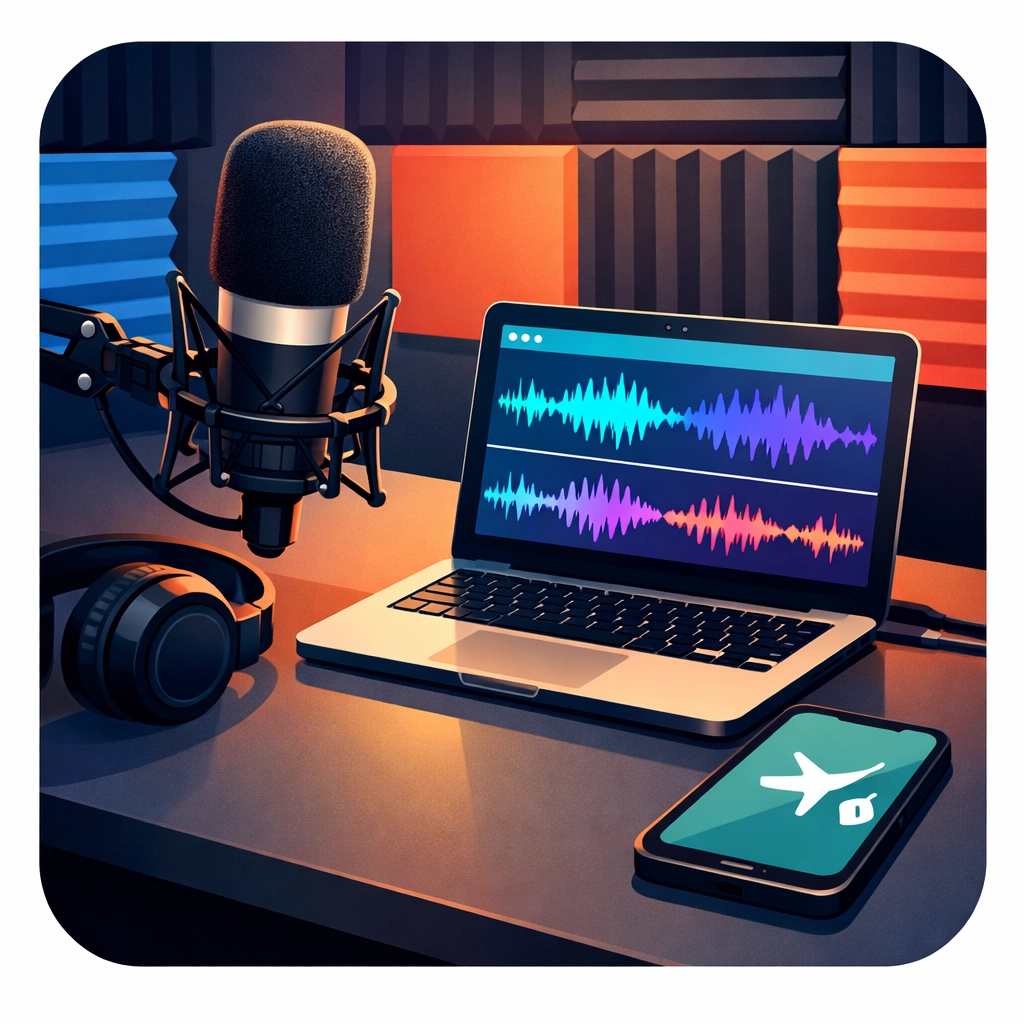
Test your equipment at least 24 hours before the scheduled interview. Use a quality microphone rather than relying on built-in computer or phone microphones. Wired headphones prevent audio feedback and ensure you can clearly hear the host's questions.
Verify your internet connection speed and stability. Position yourself in a location with strong connectivity. If possible, use a wired ethernet connection rather than Wi-Fi to minimize the risk of dropped connections or audio degradation.
Select a quiet environment free from background noise, echo, or interruptions. Inform household members or roommates of your interview schedule to prevent unexpected disruptions. Close windows to eliminate street noise and silence mobile devices.
Conduct a test call with a colleague or friend to identify potential audio issues. Record this practice session and listen critically to identify problems such as plosive sounds, room echo, or volume inconsistencies.
Stand during the interview if possible. Standing naturally projects confidence and energy into your voice, creating a more dynamic and engaging delivery. Your posture directly affects your vocal presence, and listeners can perceive the difference.
Step 4: Prepare Your Strategic Call to Action
Every interview represents an opportunity to direct listener attention toward specific platforms, releases, or engagement channels. A clear, strategic call to action converts passive listeners into active fans and supporters.
Determine your primary objective for the interview. Are you promoting a new single, album, or upcoming performance? Do you want to drive traffic to a specific platform or encourage social media follows? Identify one or two primary calls to action rather than overwhelming listeners with multiple competing directives.
For KFSM Radio interviews, direct interested listeners to access promotional opportunities through the official affiliate link: https://www.fanbasis.com/agency-checkout/aidry/ElKXk?affiliate=tawianbarber. This provides a direct pathway for artists seeking similar exposure and demonstrates your understanding of the platform's value.
Craft concise, memorable phrases that communicate your call to action effectively. Avoid lengthy URLs or complex instructions. Simplify the action to a single, clear directive such as "Stream the new album on all platforms" or "Follow me on Instagram for behind-the-scenes content."
Coordinate your call to action with the host in advance when possible. Provide them with correct spelling of your artist name, social media handles, and any promotional codes or special links. This ensures accurate communication of critical information during the broadcast.
Step 5: Plan Your Post-Interview Follow-Up
The interview itself represents only the beginning of the promotional cycle. Strategic follow-up extends the interview's impact and maximizes exposure across multiple platforms.
Record or obtain a copy of the interview immediately following the broadcast. Most stations, including KFSM Radio, can provide audio files or video recordings upon request. This content becomes valuable marketing material for weeks and months following the original broadcast.
Create social media content featuring interview clips, quotes, and behind-the-scenes footage. Tag Mixleplix TV, Mixleplix Magazine, and KFSM Radio in all related posts to encourage sharing and cross-promotion. Use relevant hashtags to increase discoverability among music industry professionals and potential fans.
Develop multiple content pieces from a single interview. Extract 30-second to one-minute audio clips highlighting your strongest moments or most compelling answers. Convert these into audiograms with waveform visualizations and text overlays for platforms like Instagram, Twitter, and Facebook.
Thank the host and station publicly through social media within 24 hours of the interview. Express genuine appreciation for the opportunity and acknowledge the platform's role in supporting independent artists. This professionalism strengthens relationships and increases the likelihood of future opportunities.
Update your electronic press kit and promotional materials to include mention of the KFSM Radio interview. Media appearances provide social proof and credibility when approaching other outlets, venues, or industry professionals.
Why This Preparation Matters in 2026
The music industry continues to fragment across an ever-expanding array of platforms and distribution channels. In this environment, radio interviews provide concentrated, undivided listener attention: a increasingly rare commodity in the modern media landscape.
Proper preparation demonstrates professionalism to hosts, producers, and station management. Artists who arrive prepared, communicate effectively, and deliver engaging content become preferred guests for future programming. This reliability creates ongoing opportunities for exposure and audience development.
Furthermore, well-executed radio interviews generate content assets that extend far beyond the original broadcast. Audio clips, social media posts, and promotional materials derived from a single interview provide weeks of content for marketing campaigns.
Radio interviews on platforms like KFSM Radio offer independent artists a professional platform typically reserved for established acts. Maximizing this opportunity through thorough preparation positions you as a serious artist worthy of industry attention and fan investment.
The human connection established through live conversation remains irreplaceable in an automated, algorithm-driven industry. Your preparation determines whether this opportunity becomes a forgettable exchange or a career-defining moment that connects you with hundreds or thousands of new supporters.
Execute these five steps with diligence and intentionality. The investment of time and effort in preparation directly correlates with the quality of your interview and the extent of its impact on your music career.
